
Kava Kava: A Natural Ally in the Battle Against Addiction
Kava Kava: Natural help with Addiction
For those looking to overcome addiction, discovering effective and natural therapeutic options can be life-changing. Enter Kava Kava, a traditional herb from the South Pacific known for its soothing effects and ability to ease withdrawal symptoms. In this blog post, we explore how Kava Kava can play a crucial role in the recovery journey and why it’s a worthy addition to any addiction support plan.
Understanding Kava Kava
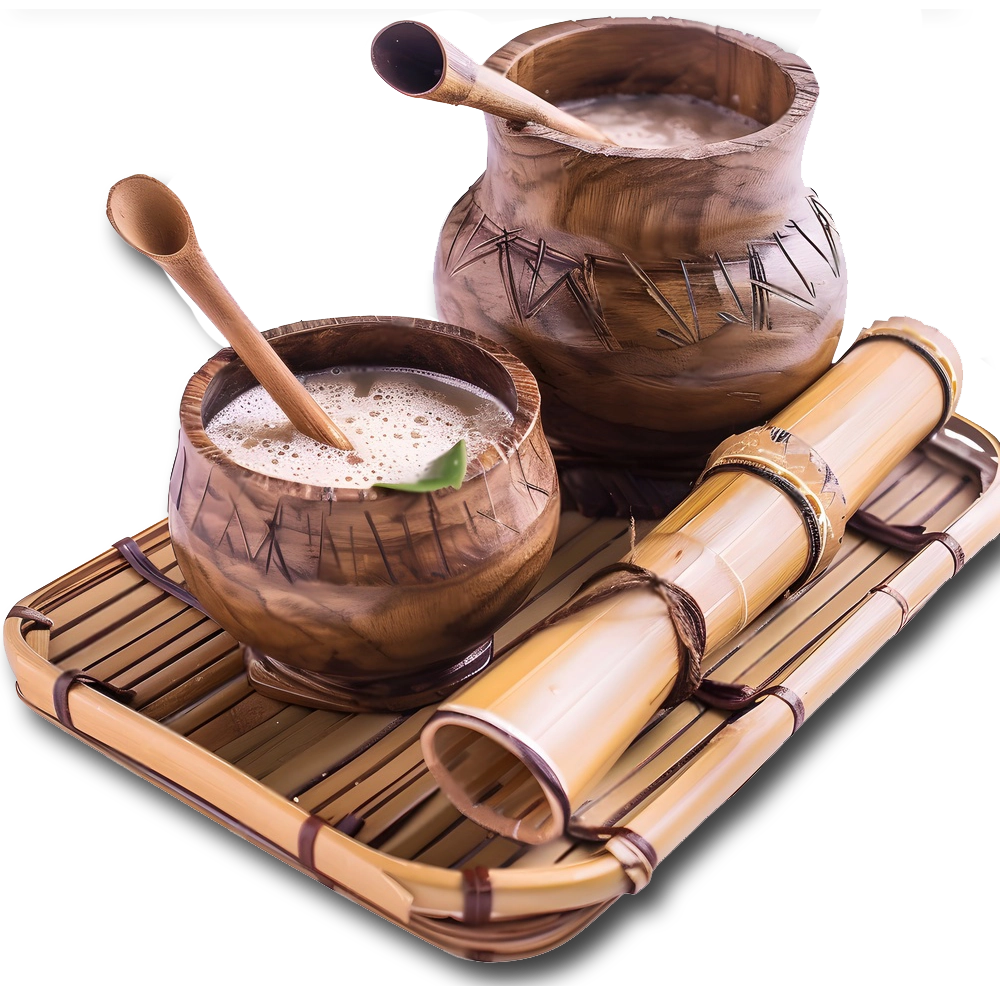
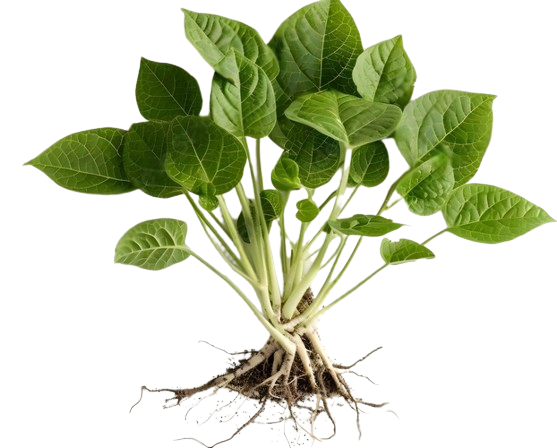
Kava Kava, or simply Kava, is derived from the roots of the Piper methysticum plant. For centuries, Pacific Island cultures have used it for its calming properties, often enjoying it as a ceremonial drink to foster relaxation and social connections. Recently, Kava has gained recognition in the West for its potential therapeutic benefits, especially in managing anxiety, stress, and symptoms linked to addiction recovery.
Calming Effects: Easing the Mind and Body
One of the main reasons Kava Kava is beneficial for addiction support is its impressive calming effects. The active compounds in Kava, called kavalactones, interact with the brain’s neurotransmitters to create a sense of tranquility without the sedative effects often found in many pharmaceuticals. This can be particularly helpful for individuals experiencing heightened anxiety and stress during the withdrawal process.
Helping with Withdrawal Symptoms
Withdrawal is often one of the toughest hurdles in overcoming addiction, bringing physical discomfort and intense cravings. Kava Kava’s ability to calm the nervous system can be crucial in easing these symptoms. By promoting relaxation and reducing anxiety, Kava helps individuals manage the physical and psychological distress that comes with withdrawal.
A study in Phytotherapy
Research revealed that Kava could significantly reduce anxiety symptoms without leading to dependency, making it a promising choice for those in recovery. Furthermore, anecdotal evidence from individuals who have used Kava for addiction support indicates that it can help curb cravings and enhance overall well-being during the tough withdrawal period.
Integrating Kava Kava into a Recovery Plan
Adding Kava Kava to your recovery plan requires careful consideration and guidance from a healthcare professional. Here are some tips on how to safely and effectively use Kava as part of your addiction support strategy:
Consult with a Healthcare Provider: Before starting Kava, make sure to discuss your plan with a healthcare provider, especially if you’re on other medications. They can advise on the appropriate dosage and potential interactions.
Start with Small Doses: Begin with a low dose to see how your body reacts. If necessary, gradually increase the dosage, making sure to stay within the recommended limits.
Choose Quality Products: Not all Kava products are of the same quality. Make sure to buy high-quality Kava from reputable sources to get the most benefits and minimize any risks.
Monitor Your Progress: Keep track of how Kava impacts your symptoms and overall well-being. Regular check-ins with your healthcare provider can help fine-tune your approach as needed.
The Benefits of Natural Support
Opting for natural remedies like Kava Kava for addiction support has several advantages. First, they usually come with fewer side effects than traditional pharmaceuticals. Second, natural remedies contribute to a holistic approach to recovery, addressing not just symptoms but also underlying issues like stress and anxiety. Lastly, they tend to be more accessible and affordable, making them a practical option for many individuals seeking support.
Conclusion
Kava Kava emerges as a promising natural remedy for those fighting addiction. Its calming effects and ability to ease withdrawal symptoms make it a valuable ally in the recovery journey. By incorporating Kava into a comprehensive support plan, individuals can find relief from withdrawal challenges and take meaningful steps toward a healthier, addiction-free life.
Visit our website at Kava Kava South Africa to learn more about how Kava Kava can support your journey to recovery. Embrace the benefits of natural medicine and take control of your path to wellness today.



Alcohol Alternative
It offers relaxation without a hangover.
Relaxation
It’s known for its calming effects
all natural
Prepared from ground roots
